
Altitude Is Your Silent Training Partner: What Living a Mile High Does to Your Body
A client asked me the other day why she felt wiped out after a workout in Denver that would’ve felt easy back in her old hometown at sea level. She wasn’t out of shape. She wasn’t doing anything wrong. She’d just forgotten the one training partner that never takes a day off here: the altitude.
If you live and train in Denver, you’re working out with a handicap and an advantage at the same time and most people never think about either one. So let’s talk about what that mile above sea level is actually doing to your body, and how to make it work for you instead of against you.
A little proof from my summer vacation
I got a firsthand reminder of all this last week. I was down in Costa Rica for a summer vacation basically at sea level, humid air, waves in the morning. And I noticed it within a couple of days. My workouts on the beach felt almost too easy. I could run longer without gasping, my heart rate stayed low, and I’d finish feeling like I’d barely tapped my reserves. I remember thinking, so this is what everyone at sea level gets to feel like all the time. I was sleeping like a rock, too.

Dinner at La Luna in Manuel Antonio, Costa Rica
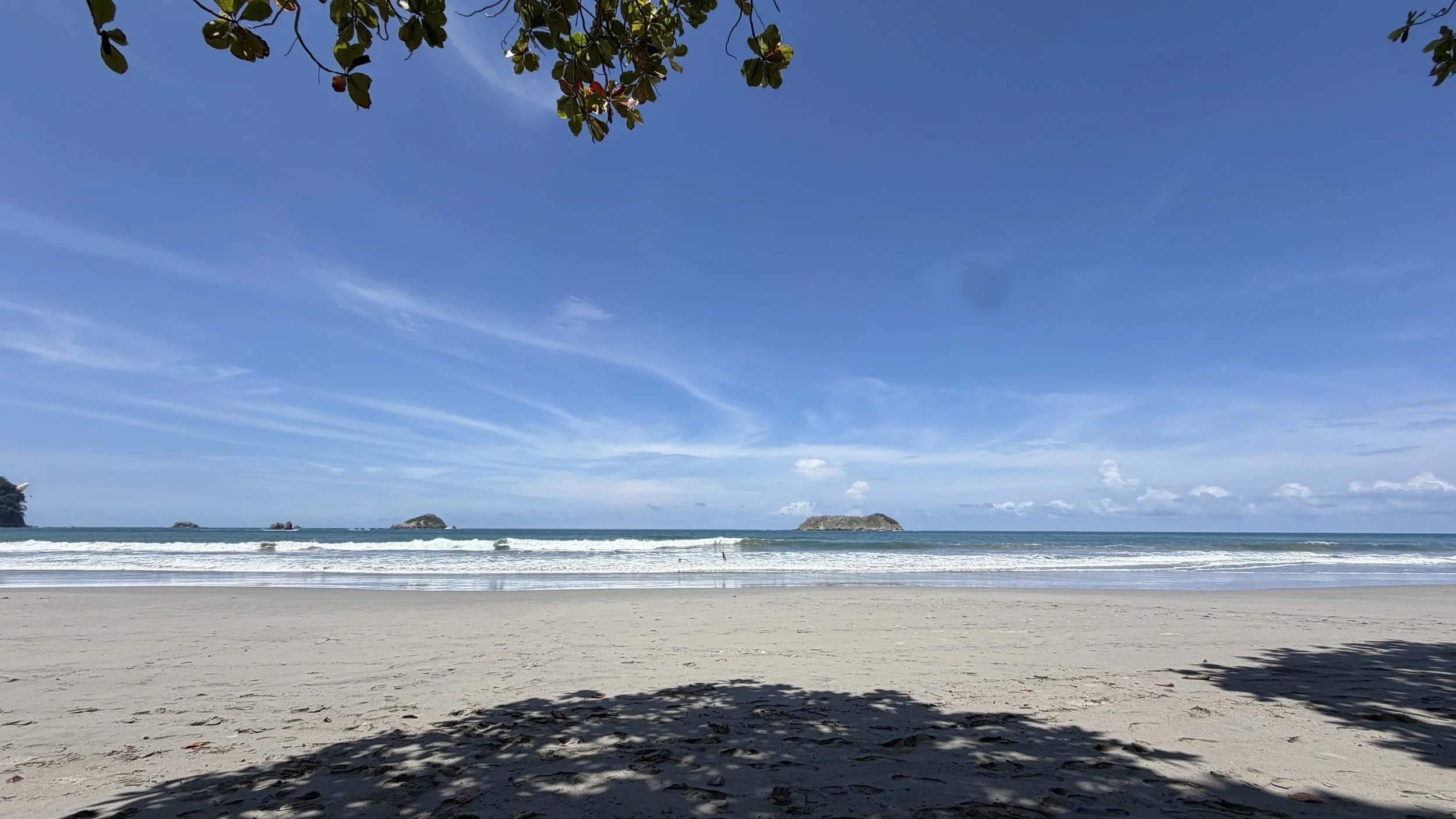
Manuel Antonio National Park, Costa Rica
Then I flew home to Denver. And the altitude reintroduced itself immediately. My first workout back felt noticeably harder for the same effort, my heart rate ran higher, and it took a few nights before my sleep settled back down. Nothing had changed about me as an athlete in the span of a week the only variable was the air. That contrast, back to back, is the whole point of this article. Down at sea level my body had it easy. Back home, it went right back to work, whether I asked it to or not.
The thin-air problem, in plain English
Here’s the short version. At 5,280 feet, the air still has the same percentage of oxygen as it does at the beach about 21%. What changes is the pressure. Lower air pressure means the oxygen molecules are more spread out, so every breath you take delivers less oxygen into your blood. Your body notices immediately, even if you don’t.
That’s why newcomers get winded on a flight of stairs, why your first few weeks of running here feel brutal, and why even seasoned locals sometimes feel a workout hit harder than the numbers say it should. You’re doing the same work with less fuel in the tank. It’s the exact difference I felt stepping off that plane from Costa Rica.
The upside nobody tells you about
Now the good news, and it’s a big one. Your body is remarkably good at adapting. When it senses it’s getting less oxygen, it starts building more of the machinery to carry what it can. Over a few weeks at altitude, your body produces more red blood cells and more hemoglobin the part of your blood that ferries oxygen to your muscles.
This is the exact reason endurance athletes have trained at altitude for decades. Do the hard work up here where oxygen is scarce, and your body compensates by becoming more efficient at using it. Then, when you compete or travel somewhere lower, you’re carrying a genuine edge. You’ve been quietly training your blood the whole time.
So living in Denver isn’t just a scenic bonus. It’s a low-grade, around-the-clock endurance stimulus. Your silent training partner. (And honestly, part of why those Costa Rica beach runs felt so effortless was months of Denver quietly doing that work for me.)
The catch: adaptation costs you something
Here’s where I have to be honest with you, because this is where people get themselves into trouble.
That adaptation isn’t free. At altitude your body loses water faster the air is dry and you’re breathing harder, so you’re shedding fluid without realizing it. Dehydration sneaks up on people here constantly, and it drags down everything: strength, endurance, focus, and recovery. Sleep can take a hit in your first weeks too, and your heart rate may run a little higher than you’re used to for the same effort.
None of this means the mountains are out to get you. It just means you have to train a little smarter than someone at sea level.
How to actually work with it
A few things I tell every client, whether they just moved here or have lived here their whole lives:
Drink more than you think you need. If you’re relying on thirst to tell you when to hydrate up here, you’re already behind. Water throughout the day, not just during your workout, is the single easiest win at altitude.
Ease into intensity. Give your body a couple of weeks to catch up when you’re new, or coming back from a long trip to lower elevation. Pushing max effort on day one is how you end up flattened, not fitter. (Trust me I gave myself the grace of a few easier sessions after that Costa Rica trip, and it paid off.)
Respect your recovery. This is the part I care about most. At altitude, your body is already doing extra work behind the scenes just to keep you oxygenated. That means recovery isn’t optional here it’s part of the training. Sleep, minerals like magnesium, and dedicated recovery tools matter more the higher you live.
Where recovery meets oxygen
This is exactly why what we do at Icelandic Fitness fits Denver so well. If altitude is quietly lowering the oxygen your body has to work with, our recovery services are designed to help you flip the script and give it back.
Hyperbaric oxygen therapy is the clearest example. Where thin mountain air spreads your oxygen out, a hyperbaric session does the opposite it lets your body take in more oxygen than it normally could, supporting recovery, reducing inflammation, and helping you bounce back faster from hard training. For someone living and training a mile high, that’s not a luxury. It’s the counterweight to the very thing that’s making you stronger.
The bottom line
Denver is training you every single day, whether you signed up for it or not. Handled well, that thin air makes you a more efficient, more resilient athlete. Handled carelessly, it just leaves you tired and wondering why.
Hydrate like you mean it, respect the adjustment period, and treat recovery as part of the plan rather than an afterthought. Do that, and the altitude stops being the thing that wears you down and becomes the silent partner that makes you better. Costa Rica was a nice vacation for my lungs. But Denver? Denver is where the work and the payoff actually happens.
Curious how hyperbaric oxygen therapy could support your training at altitude? Book a session and feel the difference for yourself.
Jason Stone